Over-Reliance on AI Is Quietly Stalling Junior Developers’ Careers


This year, as I mentor interns and junior developers, one pattern stands out: a heavy reliance on AI coding tools. ChatGPT, Cursor, Copilot. They’re reached for first, suggestions copied in without much thought—no pause to question or understand.
Pause for a second. Software development isn’t always a sprint. Your real value comes from knowledge and knowing how to use tools well, not just fast. Trading basics for quick output isn’t new. It’s the old Stack Overflow copy-paste habit, but worse now with AI generating full solutions that feel authoritative. I’m not against these tools. I use them daily as a backend developer and architect. But treating them as flawless guides has a real cost.
In this piece, I’ll share examples from my collaborations, the risks I’ve seen, and how to shift your approach. I’ll also walk through my own process, no hype, just what works for me to stay sharp and productive.
The Pitfalls I’ve Seen Firsthand In Collaborations
An intern gets a straightforward task: build an API endpoint that forwards a request to another microservice, pulls data from the database, and returns it. Instead of mapping out the flow or thinking about HTTP basics, he jumps to ChatGPT. The pull request looks clean at first glance, almost like a tutorial example. But it won’t even compile. Variables and resources are invented out of thin air, globals that don’t exist anywhere in the project.
Another case: a junior submits a PR adding three new dependencies to resolve a minor issue. It runs, sure, but ignores team conventions and long-term maintainability.
Then there are the debugging moments. A clear error message pops up. One key line explains everything if you read it carefully. Straight to ChatGPT with the full log. Or an email I send with all the details needed; the reply comes back with four basic questions, clearly rephrased by AI, all answered if they’d just read fully and thought for a minute.
These aren’t rare. Juniors often miss core concepts, especially networking, on how computers actually communicate over the wire. It’s normal to lack depth at the start, but AI covers it temporarily without forcing learning. You accept the result, move on, and the understanding never builds.
I’ve stepped in repeatedly to explain things that should click after a few months: memory handling, request lifecycles, basic concurrency.
The core problem? Prioritizing speed over depth. AI pushes quick results, but good development is about building systems that last and spotting issues others miss. Overuse turns you into someone who assembles an unrelated puzzle.
Think Critically, Shift Your Mindset
Don’t reach for AI at the beginning. Use it to refine or finish. Here’s the guidance I give mentees:
- Define the problem on your own. Write it down: inputs, outputs, edge cases. This sharpens your thinking and helps you create better prompts later if you need them.
- Draw on what you already know. What’s the usual way to do this in your language or framework? If basics feel fuzzy, like pointers in C++ or garbage collection in Java, check official docs or a reference, not AI first. Strengthen that base.
- View AI output as a starting point. Question it: Does it fit? Is it efficient and secure? Check against performance, readability, and ease of maintenance. Test pieces separately.
- Learn from new ideas. If AI suggests something unfamiliar, dig in. Why this approach? Search the concept yourself. This makes AI a learning aid, not a shortcut.
Over-relying on AI is like doing basic math on a calculator every time. Convenient, but the skill fades.
Your Name Is on the Commit, Not the AI’s
The blunt truth I repeat to everyone I mentor: when you commit and push, the history shows your name, not “Copilot” or “ChatGPT”.
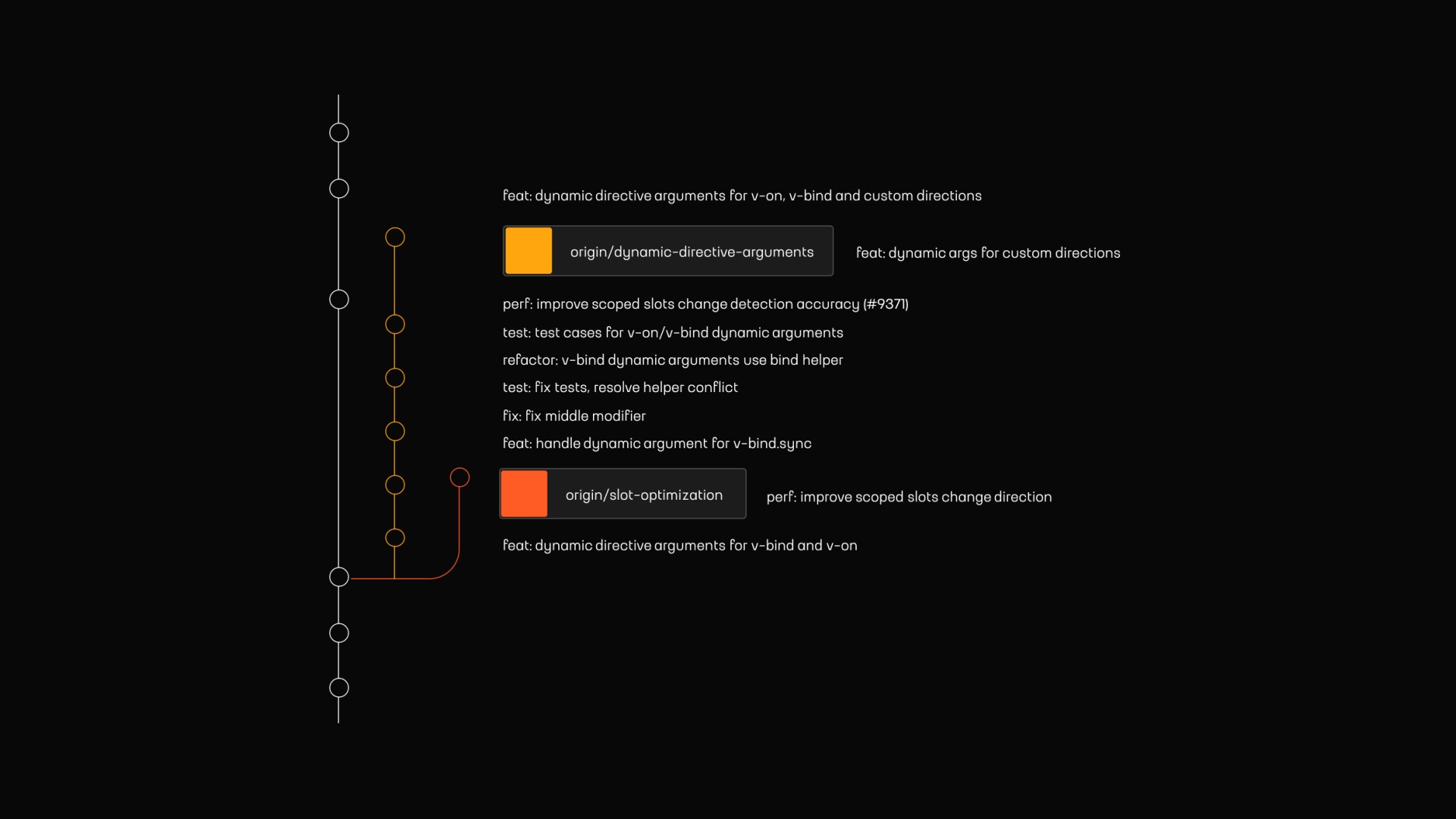
That code stays in the repo for years. When it breaks at 3 a.m., the on-call person (or future you) will trace it back to you, not the model.
Every line you ship must pass this test: Could you explain it, justify it, and fix it without running back to AI?
If not, you’re not authoring code. You’re signing off on a black box.
Ownership means:
- Knowing why a specific line or guard is there.
- Understanding why a query is structured one way over another.
- Being able to sketch the data flow, if needed.
If you can’t, scrap the suggestion and write it yourself. It might be slower and less polished, but it’s truly yours. Because the AI doesn’t face consequences, you do.
My Real Process: How I Work with AI Coding Tools
My daily work is backend services, mostly on the JavaScript stack, but I’ve handled others, including a recent .NET handover. I use IDE assistants (like JetBrains) and Cursor for tougher parts. Here’s my actual flow from that project:
- Plan without AI: Pure thinking first. How to approach the task, what the solution shape looks like, and which pieces matter most.
- Research fundamentals: If something’s unclear, I go to official docs. Sometimes I ask an AI to summarize research, but I read through and verify it. I’ve caught it recommending non-existent libraries.
- Design and prompt: Often, writing out the problem sparks the answer. For small fixes, I just code it. Otherwise, it becomes context for a strong technical prompt.
- Build incrementally: I give precise technical instructions, not vague business descriptions. Break big tasks into chunks, review output, adjust, and learn as I go.
- Restyle to fit: The final code must match my style - consistent, readable, predictable. A working solution isn’t enough if it feels foreign to the codebase or my approach.
This isn’t rigid. There are exceptions. But it’s the core. I save real time, gain extra perspective, and never worry about losing sharpness or shipping weak code.
Keep Your Brain in the Game

AI is a capable partner, not the leader. Let it speed you up without replacing your judgment.
If you’re early in your career and serious about lasting in this field, focus on understanding from day one.
It’s not the trendy view in an industry chasing the next tool, but it’s kept my work reliable for years, and helped mentees grow faster when they follow it.