Top 10 UX/UI Design Trends for 2026


As technology continues to evolve, the way users interact with digital products is shifting once again. The year 2026 marks a new era in UX/UI design. Designers and digital agencies are now challenged to move beyond traditional screens, layouts, and patterns. The focus is no longer just on creating interfaces. It’s on designing adaptable systems that understand users, anticipate their needs, and respond with empathy and precision.
1. Context-Aware Design: Adapting in Real Time
Context-aware design represents a major step forward in personalization. Rather than presenting static interfaces, products in 2026 are becoming adaptive ecosystems that respond intelligently to context, such as a user’s environment, device, time of day, or even emotional state.
The key to successful context-aware design lies in real-time data integration. By combining location data, sensors, and user preferences, designers can create personalized experiences that feel natural rather than intrusive. However, this trend also raises ethical challenges around privacy. Transparency and user control must always remain at the forefront.
Example
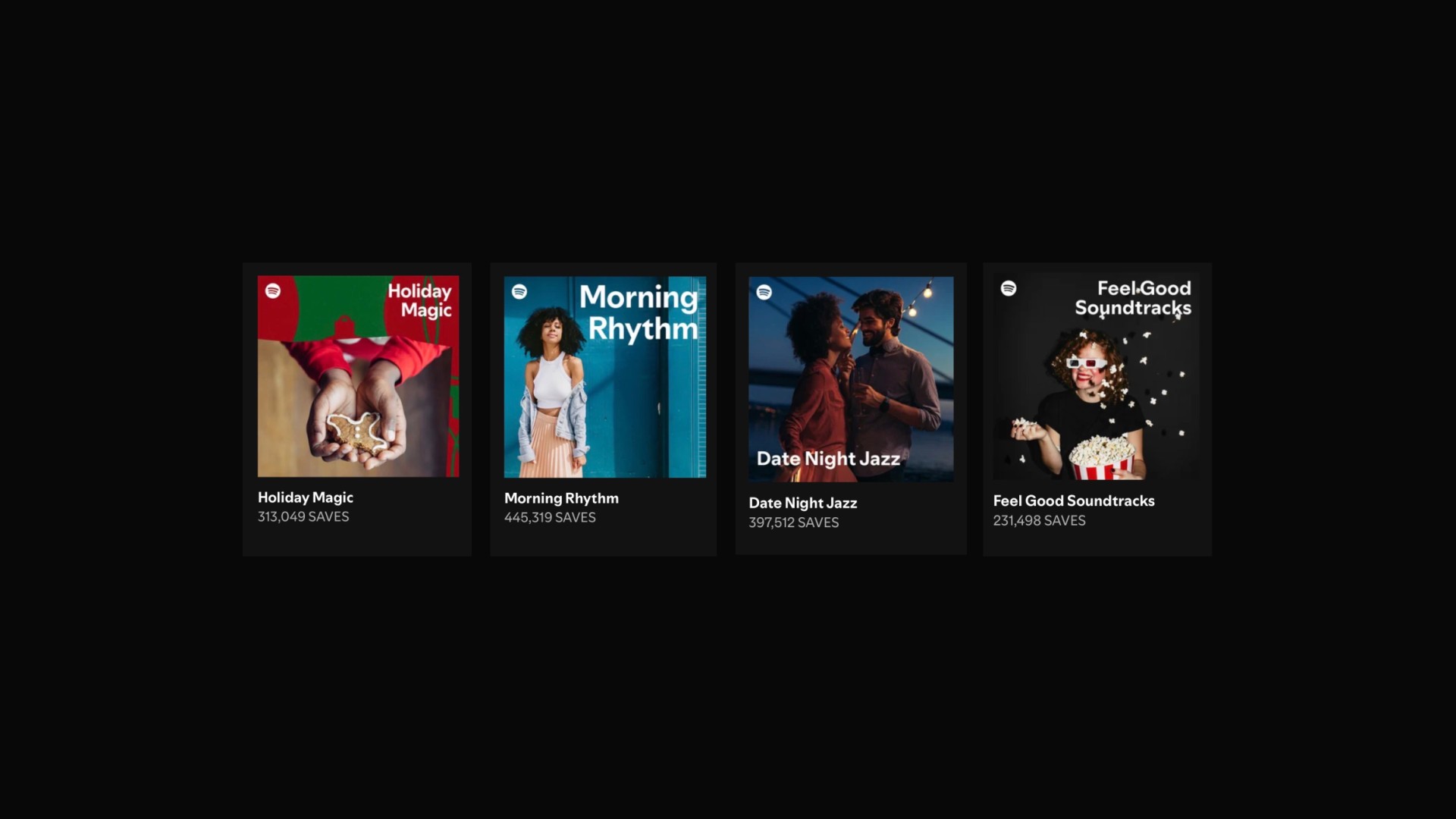
Spotify has been experimenting with context awareness through its “Mood and Moments” playlists, which adapt to time of day, activity, and even weather.
2. Generative UX: Co-Designing with AI
Artificial intelligence has long influenced UX, but generative UX takes the partnership between designers and machines to a new level. Instead of manually creating layouts, AI tools can now generate design variations instantly based on user goals, accessibility standards, or brand guidelines.
Imagine a designer sketching a rough concept and an AI system generating multiple interface versions optimized for performance, readability, and visual balance. The human designer then refines these suggestions, focusing on strategy and emotion rather than repetitive execution.
Generative UX doesn’t replace creativity; it enhances it. It removes barriers between ideation and implementation, allowing designers to focus on storytelling, ethics, and innovation.
Example
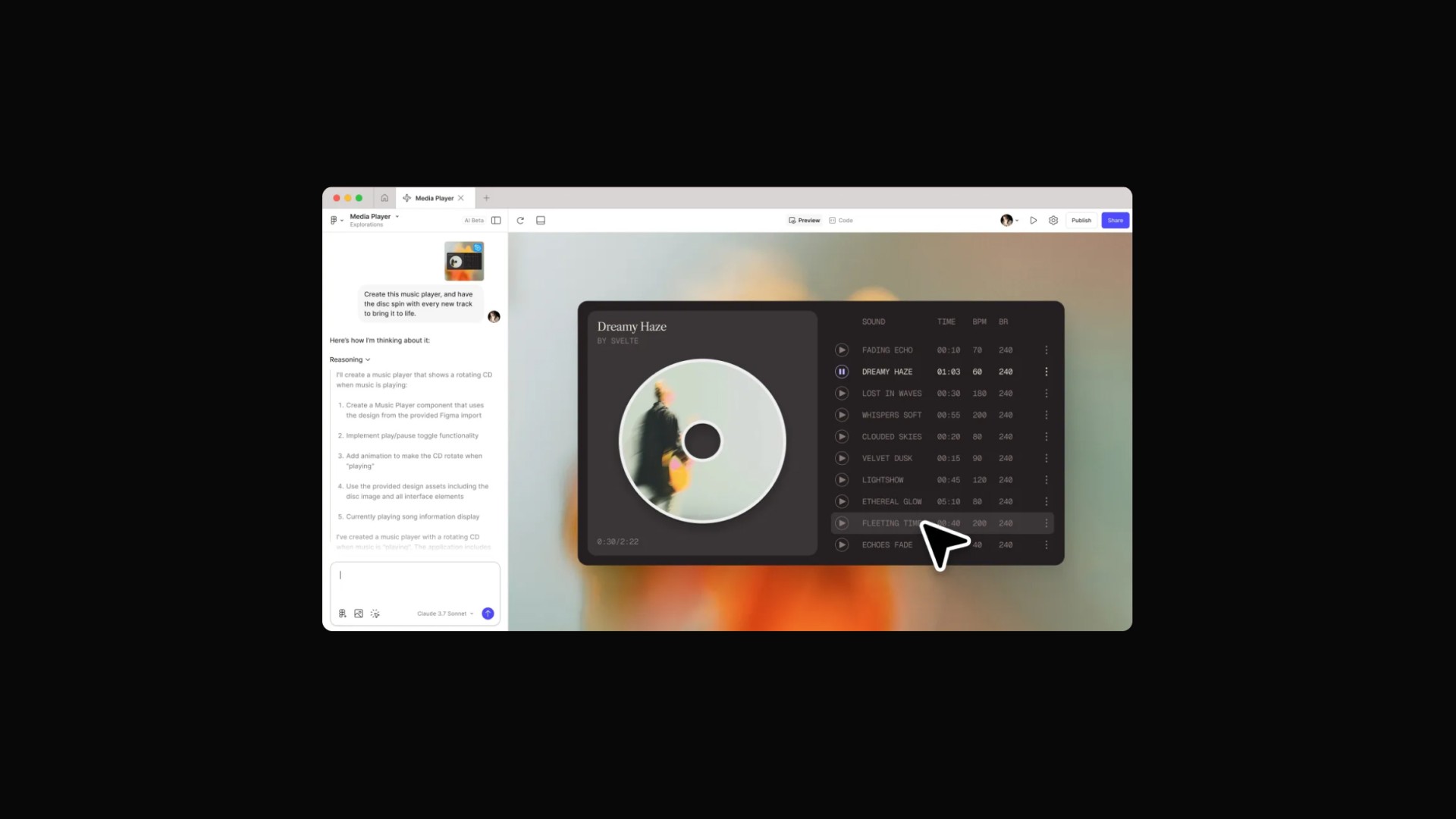
Figma’s AI tools and other emerging platforms are already generating interface layouts from text prompts. A designer types prompts, and the system generates mockups instantly.
3. Conversational AI Integration: Humanizing Digital Dialogue
The line between human and machine communication continues to blur. In 2026, conversational AI will evolve from a support feature into a central UX element, enabling natural dialogue across navigation, search, and actions.
Conversational AI goes beyond chatbots. It involves tone, empathy, and adaptability. Interfaces will become more emotionally intelligent, understanding nuances such as hesitation or frustration and adjusting their responses accordingly.
Designers will need to master the art of conversational UX by crafting flows, microcopy, and visual feedback that make users feel heard and understood. When done well, conversational AI transforms sterile interfaces into living, breathing experiences that communicate naturally.
Example
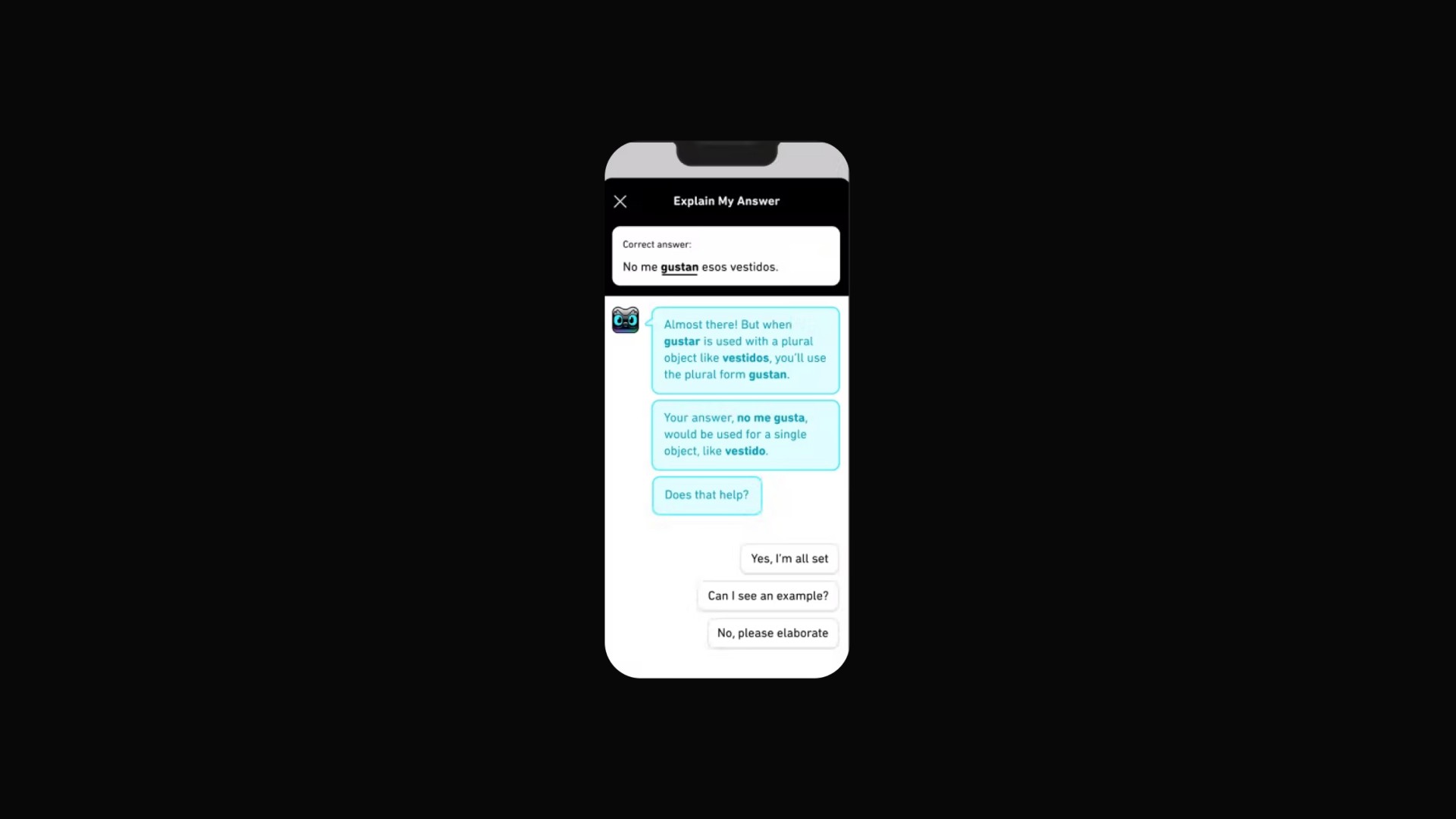
Duolingo’s AI Tutor already personalizes lessons through conversation, adjusting its prompts based on user confidence. We’ll see this technology embedded across industries.
4. 3D and Depth Interfaces: Designing with Dimension
As hardware and rendering capabilities advance, 3D design is entering a new phase of maturity. In 2026, 3D and depth interfaces will become a mainstream component of digital experiences. Not only for visual flair, but for clarity and engagement.
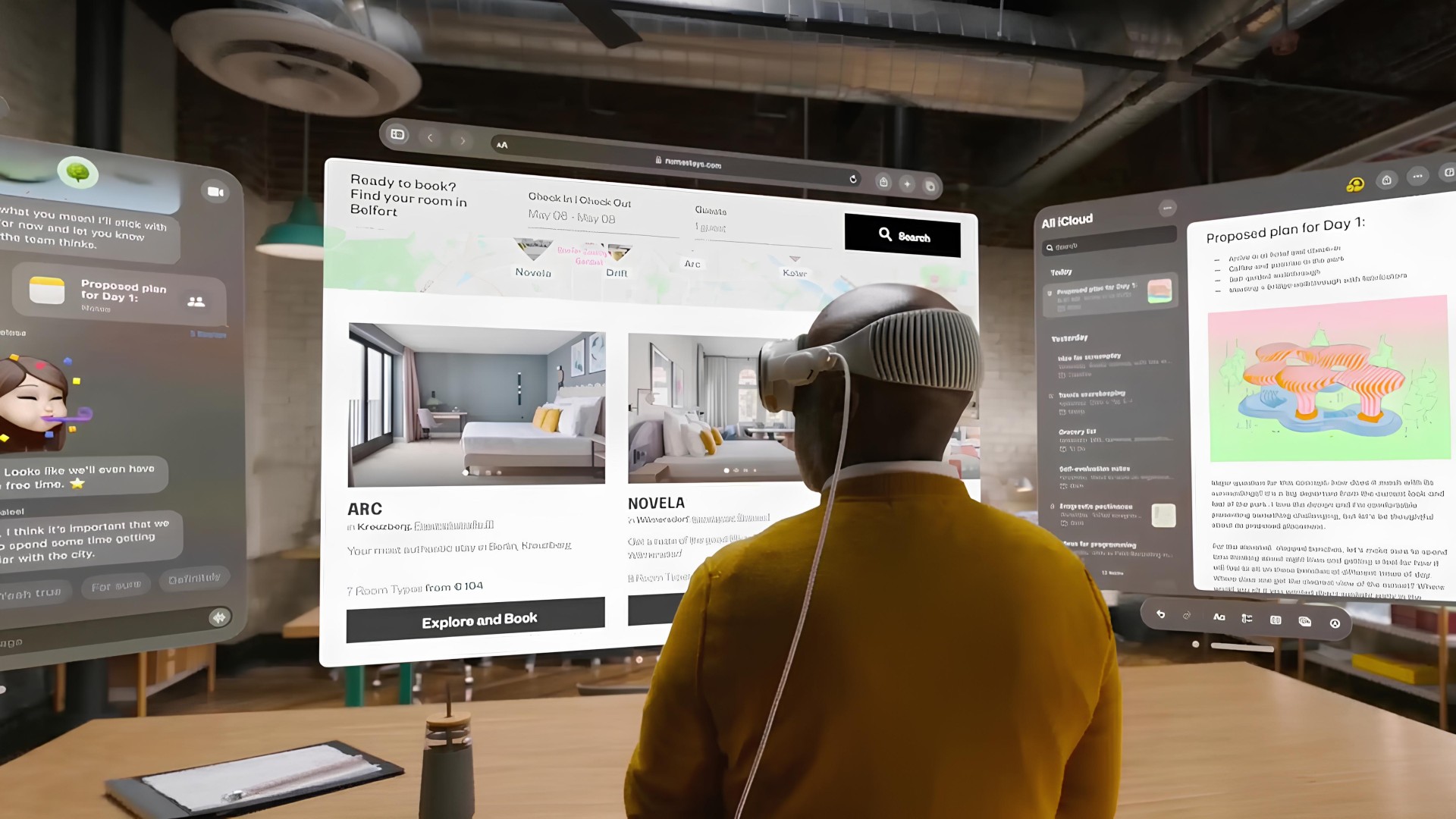
The use of depth, layering, and motion can help guide attention, organize information, and make digital environments more intuitive. Depth-based design also supports spatial awareness, particularly in AR and VR contexts. A user navigating a digital workspace in augmented reality can interact with layered data panels that “float” in real space, bringing functionality closer to physical interaction.
The challenge lies in balance. Overuse of 3D elements can slow performance and distract users. The future trend leans toward functional realism. Designers will need to use depth strategically to enhance understanding, not overwhelm it.
Example
Apple’s Vision Pro interface demonstrates how digital elements can float in space and react naturally to user focus or gestures. Similar depth-based systems will appear on everyday platforms.
5. Liquid Motion Design: The Art of Fluid Interactions
Motion has always played a vital role in UX, but the trend toward liquid motion design in 2026 pushes it to new creative heights. This approach focuses on seamless, fluid transitions that make interactions feel organic and responsive.
Instead of abrupt screen changes, buttons morph smoothly into menus, and content cards glide softly as users scroll. These transitions make digital experiences feel alive, reducing friction, and increasing emotional engagement.
The power of liquid motion lies in feedback and storytelling. A well-designed animation not only guides users, but also communicates system status, emotion, and personality.
However, restraint is crucial. Motion should never distract or delay; it should serve a clear purpose. When applied thoughtfully, liquid motion design bridges the gap between functionality and artistry, turning simple interactions into delightful experiences.
Example
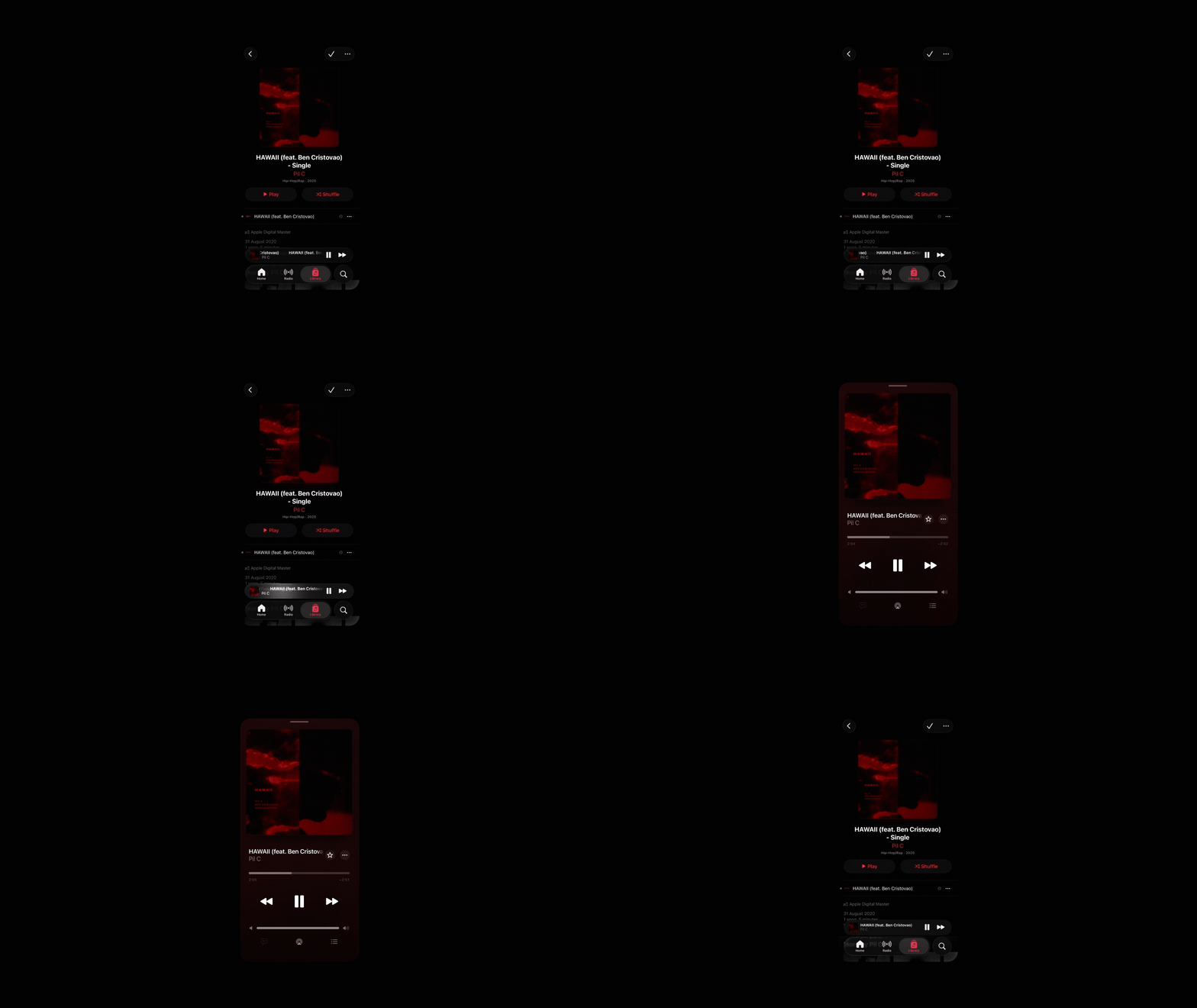
In Apple Music, the mini-player at the bottom smoothly expands into the full-screen player. The album artwork scales up, text and controls flow into place, and the background color often softly adapts to the artwork.
6. Typographic Storytelling: Words as Design Elements
Typography is no longer just a vehicle for information. It became a central storytelling tool. Typographic storytelling blends design, psychology, and emotion to create memorable digital experiences.
With the rise of variable fonts, designers have greater control over how type behaves. From fluid weight transitions to responsive letter spacing that adapts to screen sizes. Typography can now shift dynamically based on interaction or tone.
The visual rhythm of typography guides users as much as layout or imagery. By treating words as design elements, designers can craft experiences that are not only functional but emotionally resonant, transforming reading into an immersive act.
Example
The New York Times’ “Snow Fall” feature was one of the earliest examples of immersive typographic storytelling. Today, brands like Nike and Squarespace use kinetic typography in digital campaigns, with letters that shift and move to mirror the content’s mood.

7. Neurodiverse UX: Designing for All Minds
Inclusivity has moved beyond accessibility checklists. In 2026, UX design embraces neurodiversity. It’s recognizing that users think, perceive, and interact with technology in different ways.
Neurodiverse UX design considers users with ADHD, autism, dyslexia, and other cognitive variations by offering adaptable modes and sensory-friendly interfaces. For example:
- Adjustable motion and animation controls for users sensitive to visual movement.
- Customizable text presentation for different reading preferences.
- Simplified layouts and distraction-free modes to support focus and comprehension.
Beyond functional adjustments, neurodiverse design promotes empathy and flexibility. It acknowledges that there is no single “normal” user and creates systems that empower everyone to personalize their experience.
Example
Microsoft’s Inclusive Design Toolkit and Apple’s accessibility settings already allow users to tailor experiences for cognitive and sensory needs.
8. No-Code UX Evolution: Democratizing Design
The no-code revolution continues to reshape digital creation, and by 2026, it will transform UX design itself. No-code tools are evolving into powerful systems that allow designers, developers, and even non-technical teams to collaborate fluidly.
Modern no-code platforms now include integrated design systems, interaction logic, and AI-driven recommendations, making it easier to test and iterate quickly. For small businesses and startups, this means launching high-quality digital experiences faster and at lower cost.
But for professional designers, the true advantage lies in speed and experimentation. No-code tools free creative teams from technical bottlenecks, enabling them to focus on user research, flow optimization, and emotional design.
Example
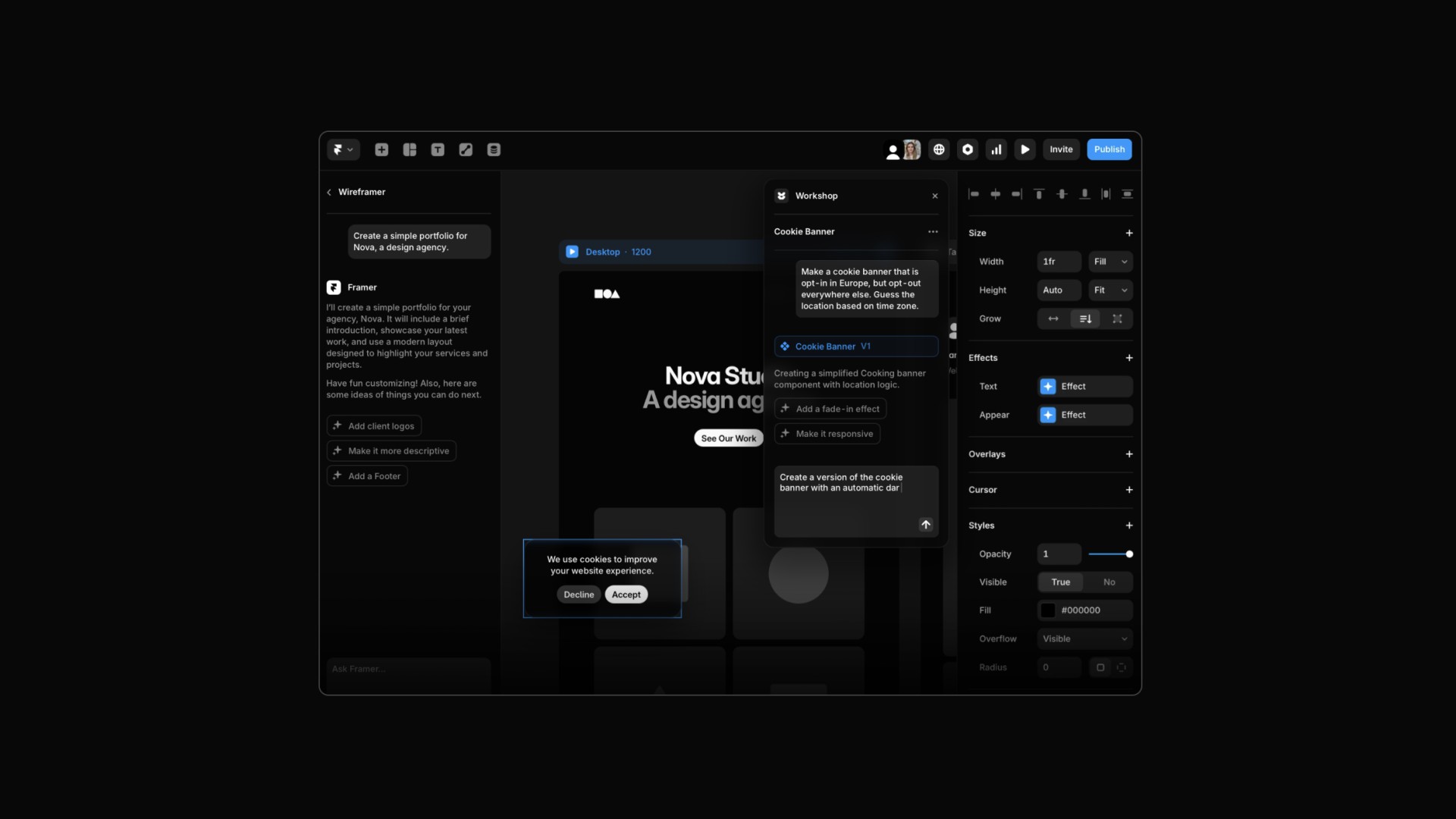
Tools like Webflow and Framer already allow designers to build production-ready websites visually.
9. Sound-Based UX: Designing Beyond the Visual
In 2026, digital experiences are no longer purely visual. The growing integration of sound-based UX introduces a new sensory layer to design, using audio cues, tones, and ambient soundscapes to guide users and create emotional depth.
Sound design enhances accessibility and engagement. Subtle audio feedback can confirm actions, signal errors, or provide orientation without relying on visuals.
Sound should always support interaction rather than distract from it. As interfaces become more immersive and multi-sensory, designers must treat sound design with the same care and intentionality as visual composition.
Example
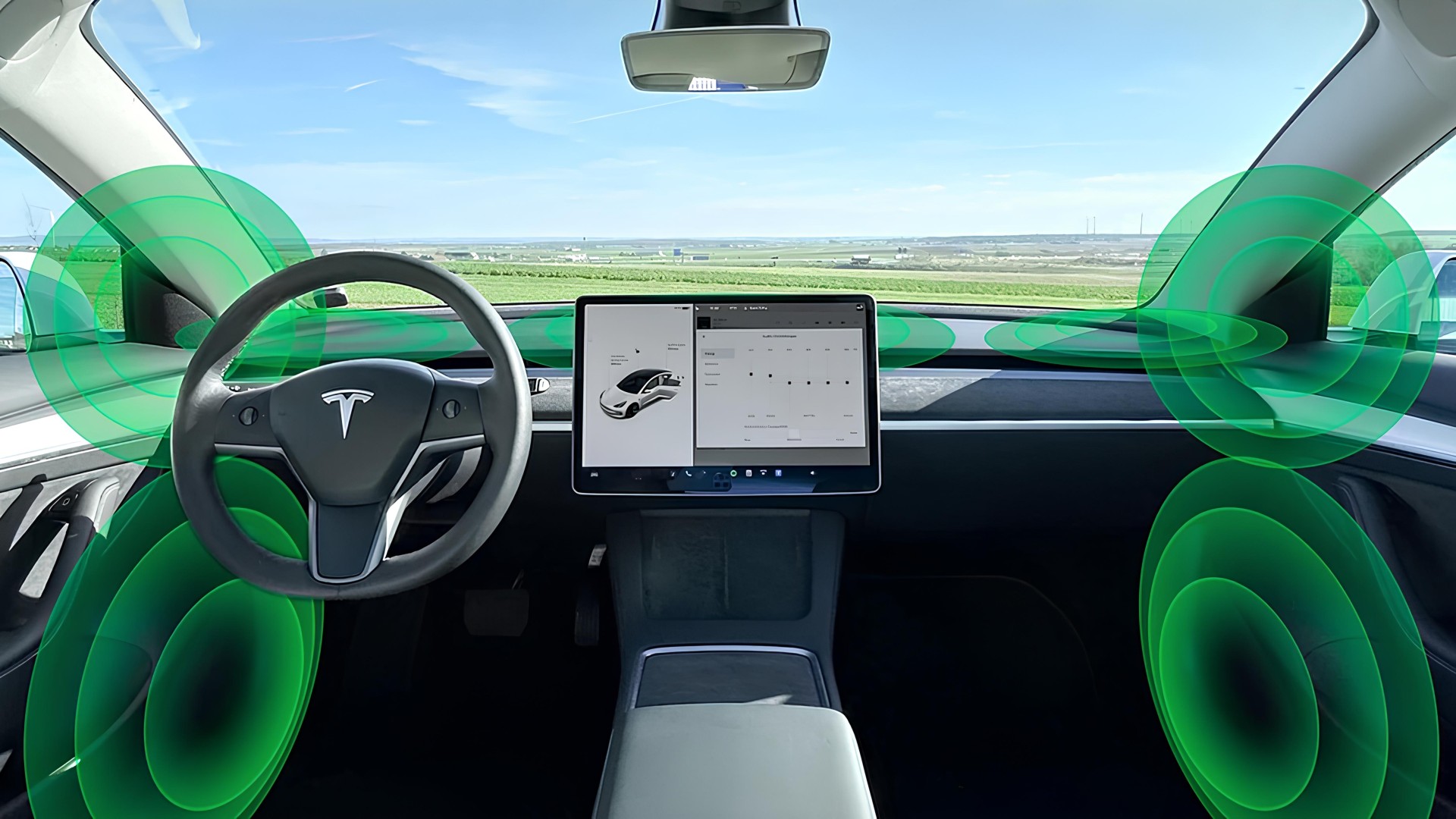
Tesla uses gentle sound cues for everything from unlocking doors to engaging the autopilot. Similarly, smart assistants like Alexa and Google Assistant use distinct tones to signal that they are listening or confirming.
10. Post-Screen Interfaces: Designing for the Invisible
The future of UX extends far beyond screens. Post-screen interfaces, powered by wearables, spatial computing, and voice technology, are redefining how we interact with digital systems.
We’re moving toward an ecosystem where digital experiences blend seamlessly into our surroundings. Smart glasses project interfaces directly into our field of view. Voice assistants manage our tasks across devices. Smart home systems anticipate needs before we even speak.
Designing for this future requires a new mindset. Instead of focusing on layouts and grids, designers must think in terms of flows, contexts, and relationships. How does information appear, behave, and disappear in physical space? How can feedback remain clear without visual anchors?
Example
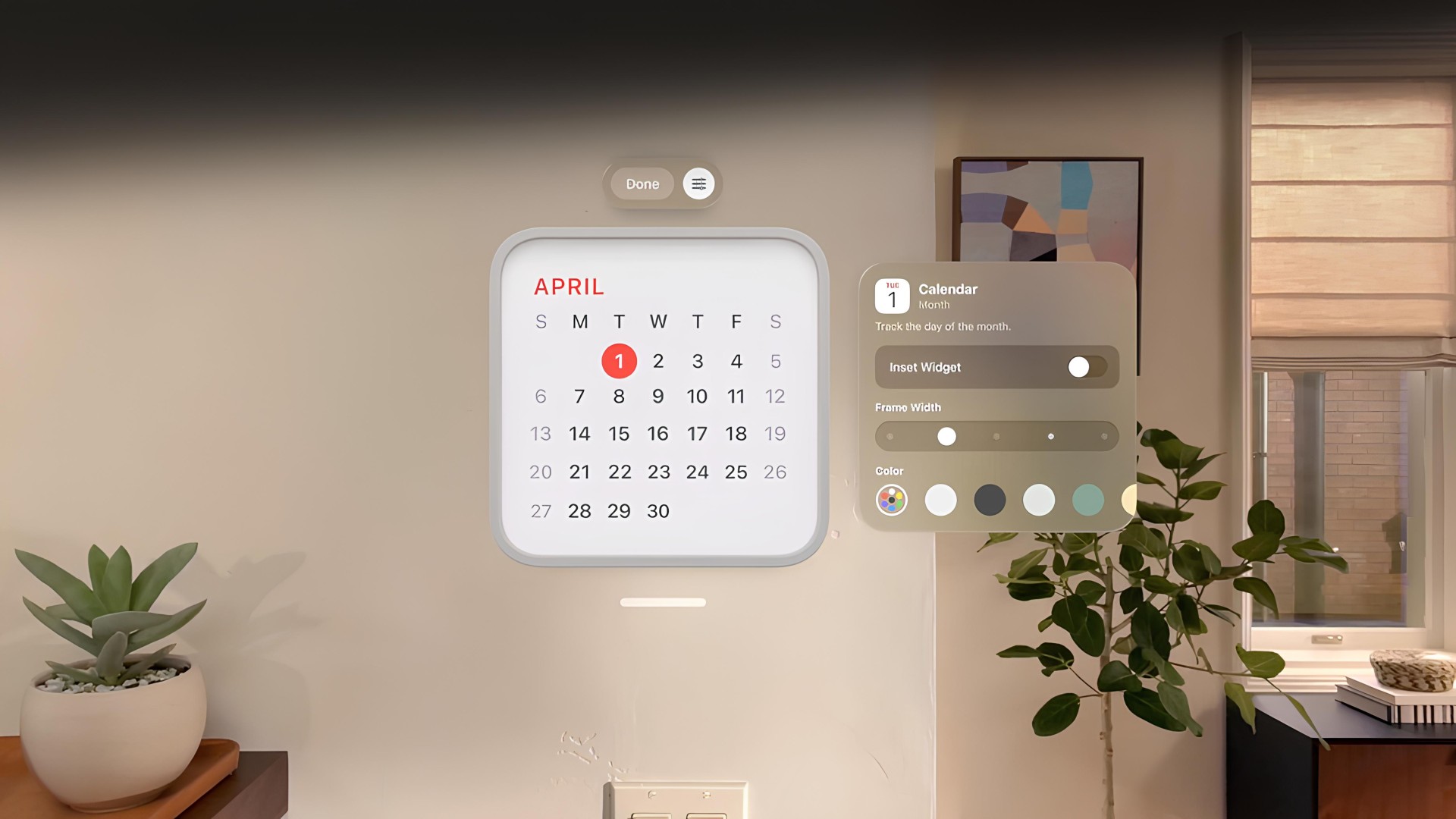
Amazon’s Alexa-enabled smart home system and Apple’s Vision Pro spatial interface show how post-screen design is already unfolding. Imagine adjusting lighting through hand gestures or receiving calendar reminders projected subtly in your field of view.
Conclusion: Designing the Human Future
The UX/UI trends for 2026 point toward one clear truth: technology is becoming more adaptive, intelligent, and empathetic. The future of design is not defined by complexity, but by context and by experiences that sense, respond, and evolve with the user.
Minimalism gave us focus. Emotion gave us empathy. Intelligence will now give us adaptability. The next chapter of UX/UI design isn’t just about what we see on screens, it’s about the world those screens are beginning to understand.
The tools may change, but the goal remains the same: to design experiences that create connection, clarity, and delight.